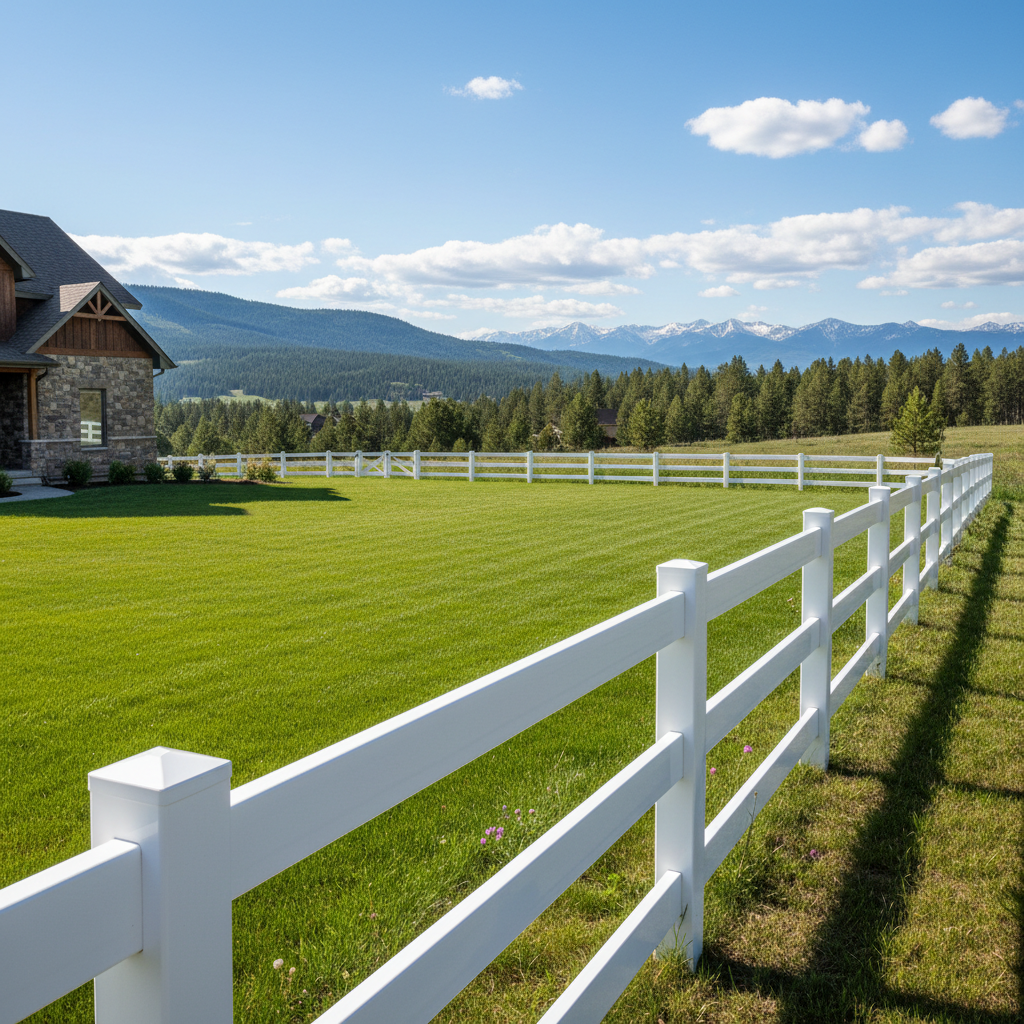
So, you've just had your fence painted, or maybe you're thinking about it. Either way, you want that fresh look to stick around, right? Up here in Kalispell, we really know about harsh weather. Those long, cold winters and hot, dry summers can truly beat up an exterior paint job. But with just a little attention, you can get years, even a decade or more, out of a good fence finish.
Making Your Fence Paint Last Longer
It all starts with the right prep and paint, which is exactly where a good contractor like Kalispell House Painters comes in. We make sure the surface is clean, dry, and properly primed before we even think about putting on paint. But once we're done, the next part is up to you for ongoing care. The most important thing you can do? Keep an eye on it. Don't wait until the paint is peeling off in big sheets before you do something.
For wood fences especially, moisture is the enemy. So, make sure your sprinklers aren't constantly hitting the fence line. If you've got landscaping right up against it, try to create a small buffer zone. That constant dampness, particularly on the north side of a fence where the sun doesn't hit as hard, can lead to mildew and rot. And that will break down your paint faster than anything else.
Another thing is to pick the right product from the very beginning. We often suggest high-quality exterior acrylic latex paints for fences because they're flexible. They can handle our temperature swings here much better than some of the older oil-based options. Plus, they breathe a bit, which helps with moisture management.
Regular Upkeep: What You Should Be Doing
You don't need to be out there with a paintbrush every weekend, but a yearly check-up is a smart move. Walk the whole perimeter of your fence, really look at it. What you're doing is a visual inspection, catching potential problems before they turn into big, expensive ones.
- Cleaning: Once a year, usually in the spring after the snow melts, give your fence a gentle cleaning. A soft brush and some mild soap and water can work wonders for getting rid of dirt, grime, and any surface mildew. Just don't blast it with a pressure washer unless you really know what you're doing; you could damage the paint and even the wood itself.
- Trim Vegetation: Keep bushes, vines, and trees from growing directly onto or against the fence. They hold moisture, they rub away the paint, and they can even cause structural damage over time.
- Check for Damage: Look for any loose boards, nails popping out, or areas where the paint is starting to look thin or chalky.
These small steps can make a huge difference, honestly. Think of it like changing the oil in your car; it prevents bigger issues down the road.
Warning Signs You Can't Ignore
Your fence will tell you when it needs more than just a wash. Pay attention to these red flags:
- Peeling or Flaking Paint: This is the most obvious sign, isn't it? Once the paint starts to peel, it's no longer protecting the surface underneath. Water can get in, leading to rot or rust depending on what your fence is made of.
- Cracking or Blistering: These can signal moisture trapped under the paint or that it didn't stick properly. Blisters often pop, leaving exposed wood.
- Fading or Chalking: While some fading is normal after many years, excessive fading or a chalky residue when you rub your hand on the fence means the paint is breaking down. It's losing its protective qualities.
- Mildew or Mold Growth: Black, green, or fuzzy spots clearly indicate moisture issues. They don't just look bad; they actively degrade the paint film and the material beneath it. This is especially common on fences in shaded areas, like those backing up to the wooded areas near the Flathead River.
- Exposed Wood or Metal: Any spot where the bare material is showing means the protective barrier is gone. This needs to be addressed quickly to prevent rot or rust.
Catching these early means you might just need a small touch-up, not a full repaint.
When to Call a Professional
You can handle a lot of the basic maintenance yourself, but sometimes it's just better to bring in the pros. If you see widespread peeling, cracking, or if the fence looks like it's seen better decades, a full repaint is probably in order. Trying to spot-fix a whole fence that's failing can end up being more work and money in the long run than simply doing it right the first time.
Also, if you're dealing with extensive mildew or rot, or if you're not sure what kind of paint is currently on your fence, it's a good idea to get an expert opinion. We can assess the condition, recommend the best course of action, and make sure the job gets done right, from proper prep to the final coat. We've got the tools and the know-how to handle everything from power washing to choosing the perfect, durable paint for our unique Kalispell climate. Don't hesitate to reach out to Kalispell House Painters if you're seeing those warning signs and want to keep your fence looking its best.