What's the most important step in a good interior paint job?
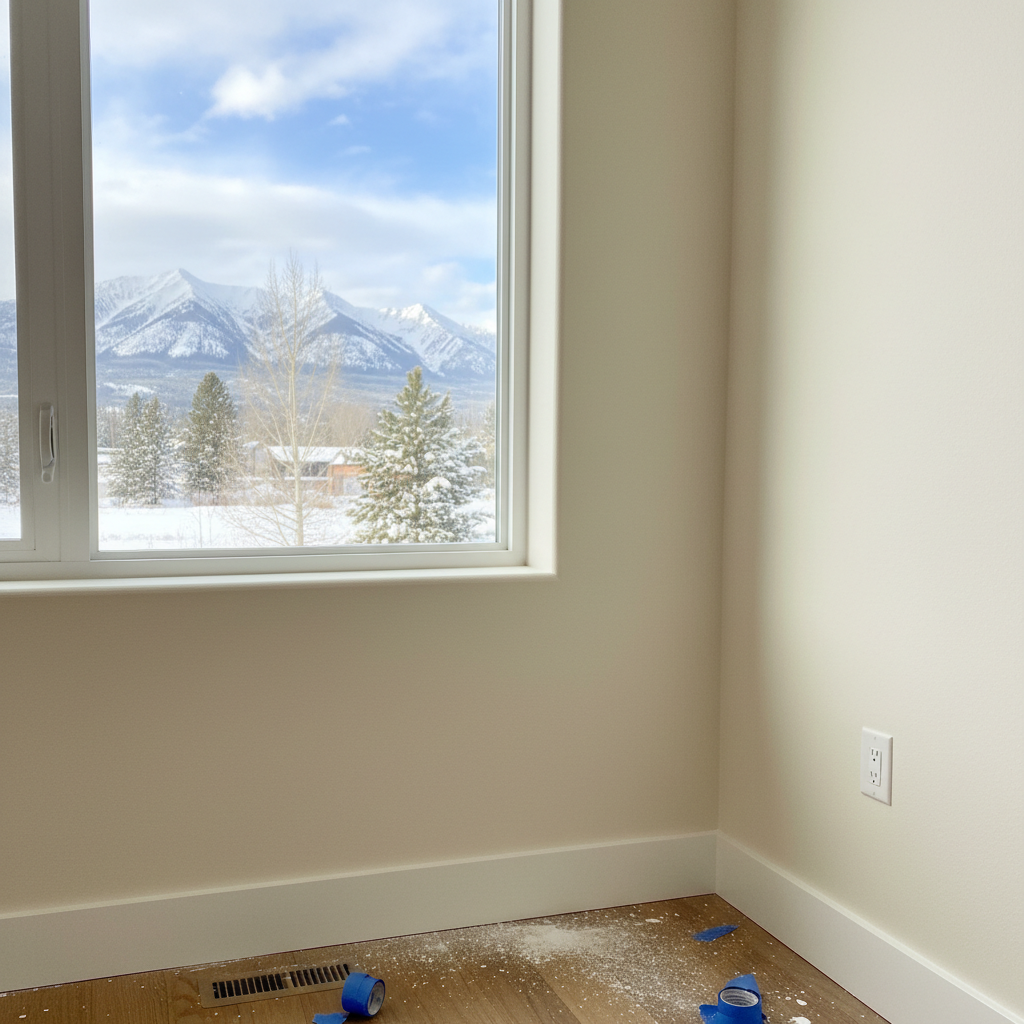
Honestly? It's the prep work, hands down. I cannot stress this enough. You could buy the fanciest, most expensive paint out there, but if you don't get the surface ready, it's just going to look awful and won't last. We're talking about cleaning walls, patching holes, sanding any rough spots, and carefully taping off trim. Skip these steps, and you'll see every little flaw, plus the paint won't stick properly. Think about building a house – you wouldn't start framing before the foundation is solid, would you? It's the same idea with painting. A clean, smooth, well-prepared surface is the bedrock for a beautiful, long-lasting paint job. It takes time, sure, but that time is absolutely worth it.
How do I pick the right paint sheen for different rooms?
This question comes up a lot, and it really depends on what the room is for and how much action it sees. For busy spots like hallways, kitchens, and bathrooms, I usually suggest a satin or semi-gloss. They're tougher, easier to wipe clean, and stand up better to moisture and scrubbing. You'll definitely appreciate that when kids or pets are making messes. For living rooms, dining rooms, and bedrooms, a matte or eggshell finish is often a fantastic choice. They hide imperfections better, give off a softer, more elegant vibe, and don't reflect as much light, which can be really nice in a room where you want things to feel cozier. Flat paint works great for ceilings because it hides flaws and doesn't reflect light, but it's not very washable, so I wouldn't use it on walls in most situations.
What's the deal with primer? Do I always need it?
Not always, but pretty often. Primer acts like a bridge connecting your old surface to your new paint. It helps the paint stick better, gives you a uniform base, and can even block out stains or smells. You'll definitely need primer if you're painting a lighter color over a dark one, switching from oil-based paint to latex, painting brand new drywall, or if you've done a lot of patching. If you're just repainting a similar color over an existing, clean, good-condition painted surface, you might get away with a paint-and-primer-in-one product. Even then, though, a dedicated primer often gives a better, more consistent finish. It's an extra step, yes, but it can save you from needing multiple coats of paint and ensures a more professional result.
How long does interior paint usually last in Kalispell homes?
That's a tough one to give a single answer for, because it really varies. Generally, a good quality interior paint job, done correctly, should last anywhere from 5 to 10 years, sometimes even longer. But several factors really influence that. Things like the paint's quality itself – you truly do get what you pay for with paint. How much wear and tear the walls get matters too; a kid's bedroom or a busy hallway will show signs of age faster than, say, a formal dining room. And believe it or not, our Kalispell climate, with its dry winters and humid summers, can sometimes play a small role, especially if you have older homes with less consistent insulation. Regular cleaning can also help your paint last longer. If you're seeing chipping, fading, or just general dinginess, it's probably time for a refresh.
Can I paint over wallpaper?
Technically, yes, you *can* paint over wallpaper, but I almost never recommend it. It's usually a temporary fix that just creates more problems down the road. The paint might react with the wallpaper adhesive, causing bubbles or peeling. If the wallpaper isn't perfectly smooth, every seam and imperfection will show right through the paint. And if you ever decide to take the wallpaper off later, it'll be a much bigger, messier job because the paint will have bonded to it. My honest advice? Take the time to remove the wallpaper properly. It's more work upfront, but you'll get a much better, longer-lasting result. We've seen plenty of homes in areas like the Northridge neighborhood where folks tried to paint over old wallpaper, and it rarely ends well.
What's the best way to clean walls before painting?
For most interior walls, a simple mix of warm water and a little bit of mild dish soap works great. You don't want anything too harsh that could leave a residue behind. Grab a soft sponge or cloth and wipe down the walls, starting from the top and working your way down. Pay extra attention to areas that get touched a lot, like around light switches or doorknobs, and any greasy spots, especially in the kitchen. For really stubborn grease or grime, a degreaser like TSP (trisodium phosphate) substitute can be effective, but always follow the product instructions and wear gloves. After cleaning, make sure to rinse the walls with clean water to get rid of any soap residue, and let them dry completely before you even think about picking up a brush. A clean surface is absolutely crucial for paint to stick.
How do I get a smooth finish without brush marks or roller lines?
Getting that super smooth, professional look takes a little practice, but there are definitely some tricks. First, use good quality tools. A cheap brush or roller sleeve will give you cheap results, plain and simple. For rollers, pick the right nap size for your wall texture – a shorter nap for smooth walls, a longer one for textured. Don't overload your brush or roller; too much paint just leads to drips and thick spots. Apply paint in thin, even coats. Don't try to stretch the paint too far, and always keep a wet edge – that means always working into the previously painted, still-wet section to avoid lap marks. For walls, I usually suggest rolling in a 'W' or 'M' pattern, then filling it in, and finishing with light, even strokes in one direction. And don't rush! Let each coat dry completely before putting on the next. If you're patient and use good technique, you'll be surprised at the difference it makes. That's the kind of attention to detail we bring at Kalispell House Painters, and it's what sets a good job apart from a great one.